
Turmeric Export from India: A Complete Guide for International Buyers
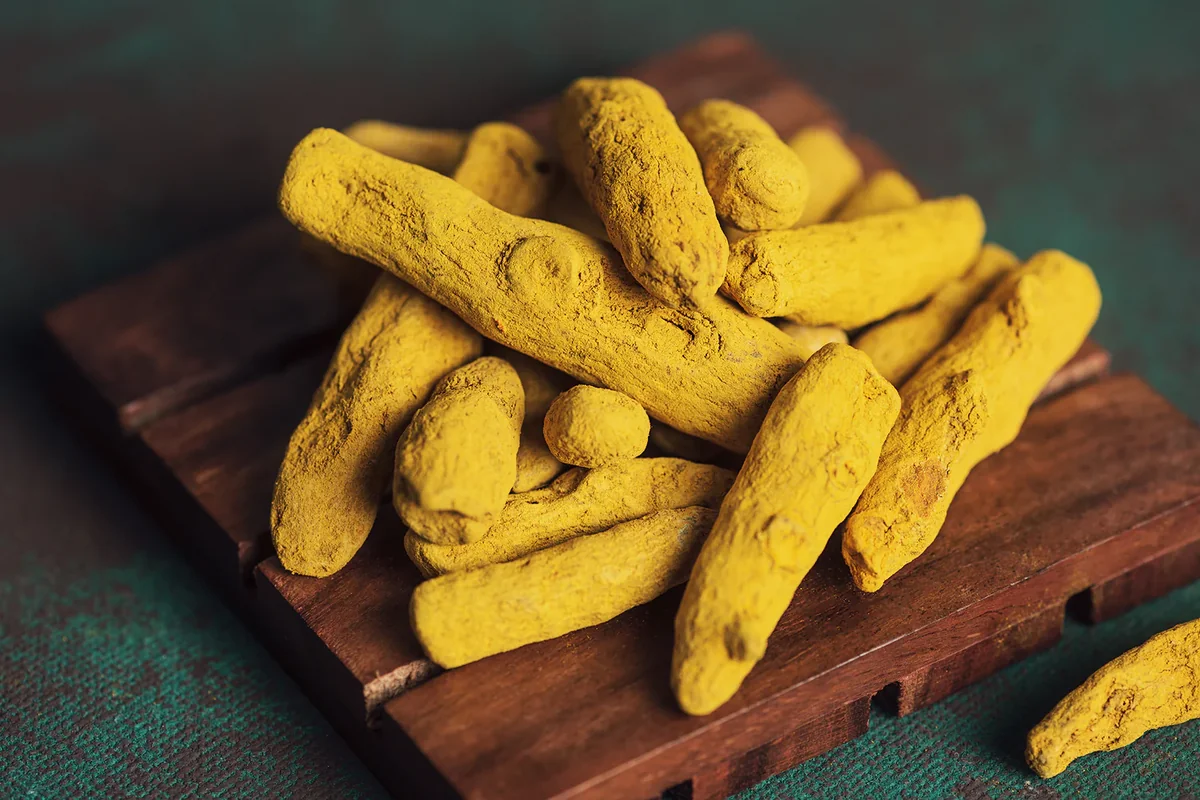
India dominates the global turmeric trade, producing over 80% of the world's turmeric and exporting to more than 130 countries. For international buyers looking to source high-quality turmeric powder, dried fingers, or extracts, understanding the Indian turmeric export landscape is essential.
As a leading turmeric exporter from India, Eversure Globals supplies premium-grade products directly from certified farms and processing units. buy turmeric in bulk with APEDA-certified documentation and guaranteed quality.
Why India is the Global Hub for Turmeric Export
India's dominance in turmeric production is rooted in centuries of cultivation expertise. The tropical climate, monsoon rains, and nutrient-rich soils of Maharashtra, Andhra Pradesh, Tamil Nadu, Karnataka, and Odisha create ideal growing conditions. Indian turmeric is prized globally for its high curcumin content (2.5% to 5%), deep golden color with ASTA values of 60+, distinct aromatic profile, and competitive pricing through direct farm sourcing.
The Indian turmeric export market was valued at over $400 million in 2025, with the USA, UAE, UK, Germany, Japan, and Bangladesh being the top importers. Growing global demand for natural food colorants, herbal supplements, and functional foods continues to drive export volumes upward.
Indian Turmeric Varieties and Their Export Applications
Not all turmeric is the same. India produces several distinct varieties, each suited to different export applications.
Salem Turmeric (Tamil Nadu)
Salem turmeric is renowned for its brilliant yellow color and high curcumin content (4-5%). It is the preferred choice for pharmaceutical and nutraceutical exports to Europe and North America, where buyers demand consistent curcumin levels for supplement manufacturing.
Erode Turmeric (Tamil Nadu)
Erode turmeric offers a balanced profile with 3-4% curcumin and excellent aroma. It dominates the culinary spice export segment to the Middle East and Southeast Asia. Its uniform finger size makes it ideal for whole dried turmeric exports.
Nizamabad Turmeric (Telangana)
Nizamabad turmeric is known for its deep orange hue and strong flavor. It is popular in bulk powder exports to Bangladesh, Pakistan, and African markets where price competitiveness matters alongside quality.
Sangli Turmeric (Maharashtra)
From the Eversure Globals sourcing region, Sangli turmeric is gaining recognition for its organic cultivation practices and consistent quality. With 3-5% curcumin and APEDA certification, it is increasingly exported to premium markets in Japan and Germany.
Turmeric Export Specifications: What Buyers Should Demand
When sourcing turmeric from India, demanding proper specifications ensures you receive export-grade material. Critical parameters include curcumin content of 2.5-3.5% for export grade and 4-5% for premium grade, moisture maximum 10%, foreign matter maximum 1%, ASTA color value 50+ for export grade and 60+ for premium, total ash maximum 9%, acid insoluble ash maximum 1.5%, and oleoresin content minimum 8%.
Reputable turmeric exporters in India provide lab-tested certificates with every shipment, verifying curcumin content, microbiological compliance, and pesticide residue levels. Always request these documents before confirming orders.
Understanding Turmeric Export Pricing
Turmeric export prices fluctuate based on season, quality grade, and global demand. As of mid-2026, indicative FOB prices from Indian ports are: turmeric powder (bulk) at $2.20-$3.50 per kg depending on mesh size and curcumin percentage, whole dried fingers at $2.80-$4.00 per kg depending on polish and size grading, organic turmeric powder at $4.50-$6.50 per kg with full traceability documentation, and curcumin extract (95%) at $45-$65 per kg for pharmaceutical-grade material.
Prices typically peak between March and May post-harvest and stabilize during the monsoon months. Buyers planning annual contracts can secure better rates by committing to off-season deliveries. Request current turmeric pricing from Eversure Globals for accurate, export-ready quotes.
Mandatory Certifications for Turmeric Export
Indian turmeric exports require specific certifications depending on the destination country. Understanding these requirements prevents customs delays and rejections.
APEDA Registration
The Agricultural and Processed Food Products Export Development Authority (APEDA) registration is mandatory for all spice exports from India. It ensures the exporter meets baseline quality and hygiene standards. Always verify your supplier's APEDA RCMC validity.
FSSAI License
The Food Safety and Standards Authority of India license confirms that processing facilities meet Indian food safety regulations. For exports to the EU and USA, this is a foundational requirement.
Phytosanitary Certificate
Issued by the Plant Protection Organization of India, this certificate confirms that the turmeric shipment is free from pests and diseases. Required by most importing countries.
Country-Specific Requirements
USA: FDA registration, allergen-free declaration, and aflatoxin testing (B1 under 5 ppb). EU: compliance with EU Regulation 396/2005 for pesticide residues. Japan: positive list system compliance, ethylene oxide ban compliance. GCC countries: Halal certification for processed turmeric products.
The Step-by-Step Turmeric Export Process
Understanding the export workflow helps buyers plan procurement timelines effectively. The typical process followed by established exporters like Eversure Globals includes: initial inquiry on Day 1 where the buyer shares requirements, sample dispatch on Day 3-5 with pre-shipment samples couriered for quality approval, lab testing on Day 7-10 with full batch microbiological and residue testing, contract and deposit on Day 12-15 with proforma invoice and 30-50% advance, production and processing on Day 20-30 including sourcing, cleaning, drying, and packaging, documentation on Day 32-35 preparing APEDA, Phytosanitary, COO, and bill of lading, shipment on Day 35-40 with container loading and sea freight dispatch, and delivery on Day 55-80 depending on destination.
Packaging Options for Turmeric Export
Proper packaging preserves turmeric quality during long sea voyages. Standard export packaging includes 25kg and 50kg PP woven bags with PE inner liner for bulk powder, 25kg Kraft paper bags for organic segments, jumbo bags of 500kg to 1MT for industrial buyers, retail packs of 200g to 1kg for supermarket distribution, and food-grade drums for oleoresin exports. All packaging should include proper labeling with product name, batch number, net weight, dates, country of origin, and storage instructions. Eversure Globals offers custom branding and private label packaging for bulk buyers.
How to Choose a Reliable Turmeric Exporter in India
With hundreds of exporters in the market, vetting suppliers is critical. Look for valid APEDA RCMC and at least 3 years of export experience, in-house or third-party lab testing capability, direct farm relationships rather than trader-only operations, traceability documentation from farm to shipment, container loading supervision options, and export references to your target market. Request a video factory tour, review past shipment documentation, and start with a small trial order before committing to full container loads.
Future Trends in the Turmeric Export Market
The global turmeric market is projected to grow at a CAGR of 6.8% through 2030. Key trends include curcumin extracts commanding premium prices in pharmaceutical applications, organic and regenerative farming certifications becoming standard for European buyers, blockchain traceability emerging as a differentiation factor, and functional beverage demand creating new export categories beyond traditional spices.