
Basmati Rice Export from India: A Complete Guide for Global Buyers
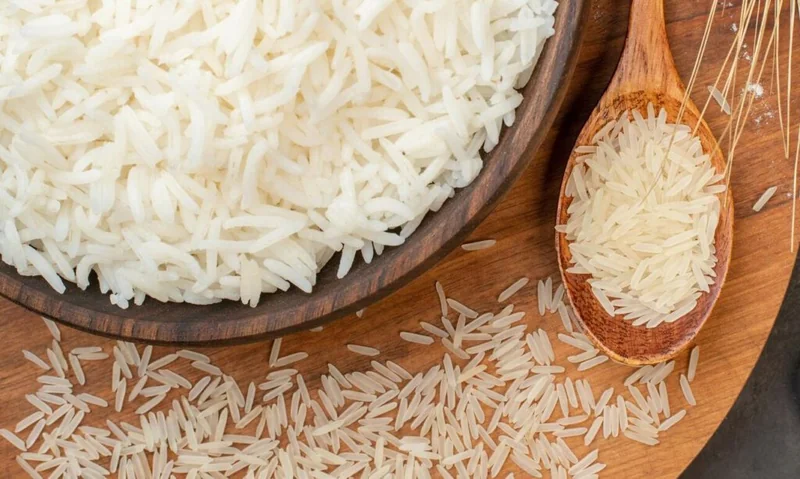
India produces over 70% of the world's Basmati rice, exporting to more than 100 countries. For international buyers seeking the authentic aroma and grain elongation that defines true Basmati, understanding the Indian export landscape is essential. This guide covers varieties, aging, pricing, certifications, and logistics.
As a leading basmati rice exporter from India, Eversure Globals supplies premium-grade products directly from certified farms and processing units. buy basmati rice in bulk with APEDA-certified documentation and guaranteed quality.
Why Indian Basmati Rice Dominates Global Markets
Basmati rice is not just a grain; it is a geographical indication protected by Indian law. The unique terroir of Punjab, Haryana, Himachal Pradesh, Delhi, Uttarakhand, and parts of western Uttar Pradesh produces rice with characteristics impossible to replicate elsewhere. The snow-fed rivers, alluvial soil, and specific climate create rice with an unmistakable aroma, delicate texture, and the signature grain elongation that nearly doubles when cooked.
The Indian Basmati export market exceeded $5 billion in 2025, with the Middle East, USA, UK, Europe, and Africa as the largest importers. Saudi Arabia alone imports over 1 million MT annually. The demand continues to grow as consumers worldwide shift toward premium, aromatic long-grain rice for daily consumption and specialty cuisine.
Understanding Basmati Rice Varieties for Export
Indian Basmati is not a single variety. Multiple cultivars offer different characteristics suited to diverse market preferences and price points.
1121 Basmati
The most widely exported Basmati variety, 1121 offers the longest grain length (8.3-8.5mm pre-cooked) and the highest elongation ratio. It is available in three processing formats: Sella (parboiled) for Middle Eastern markets where separate grains are preferred, Steam for African markets seeking aroma with slight stickiness, and Raw for European and North American buyers wanting traditional cooking properties. 1121 dominates volume exports due to its high yield and consistent quality.
1509 Basmati
Introduced more recently, 1509 offers a shorter growing season and comparable grain length to 1121. It matures in 120 days versus 160 days for traditional varieties, allowing farmers to produce two crops annually. This variety is gaining traction in price-sensitive markets while maintaining Basmati authenticity.
Pusa Basmati (PB-1)
Developed by the Indian Agricultural Research Institute, Pusa Basmati offers excellent yield and disease resistance. It is particularly popular in government-to-government export contracts and institutional buyers seeking consistent supply at competitive pricing.
Traditional Basmati
For premium segments, traditional Basmati varieties like Taraori and HBC-19 command the highest prices. Aged for 18-24 months, these grains develop enhanced aroma and a firmer texture prized by gourmet restaurants and specialty retailers in Europe and Japan.
Export Specifications Buyers Should Demand
Not all Basmati labeled as export-grade meets international standards. Here are the parameters that separate premium export material from domestic-grade rice:
| Parameter | Export Grade Standard | Premium Grade |
|---|---|---|
| Grain Length (pre-cooked) | 7.0mm - 7.5mm | 8.0mm - 8.5mm |
| Elongation Ratio | 1.8x - 2.0x | 2.2x - 2.5x |
| Aroma | Characteristic | Strong & Distinctive |
| Moisture Content | Maximum 13% | Maximum 12% |
| Broken Grains | Maximum 5% | Maximum 2% |
| Chalky Grains | Maximum 3% | Maximum 1% |
| Foreign Matter | Maximum 0.5% | Maximum 0.2% |
| Damaged/Discolored | Maximum 1% | Maximum 0.5% |
Reputable Basmati rice exporters provide pre-shipment inspection reports and third-party laboratory certificates verifying these parameters. Always demand documentation before confirming orders.
The Importance of Aging in Basmati Rice Export
Aging is what transforms good Basmati into exceptional Basmati. Freshly milled Basmati has higher moisture and softer grains that cook into a sticky mass. Proper aging reduces moisture, firms the grain structure, and concentrates the aromatic compounds.
Minimum aging: 3-6 months for standard export grade. Optimal aging: 12-18 months for premium export markets. Super-premium: 24+ months for specialty retailers and high-end restaurants. During aging, rice is stored in temperature-controlled warehouses with proper ventilation. The starch retrogradation process hardens the grain, ensuring each kernel remains separate and fluffy after cooking.
Buyers should verify the aging duration claimed by suppliers. Established exporters maintain aging inventories year-round to ensure consistent supply regardless of harvest cycles. Eversure Globals ages Basmati for 12-18 months before export, ensuring optimal cooking characteristics.
Basmati Rice Export Pricing Structure
Basmati pricing is complex, varying by variety, processing type, aging duration, and destination. Indicative FOB prices from Indian ports as of mid-2026:
- 1121 Raw Basmati: $950 - $1,150 per MT for standard grade; $1,200 - $1,450 per MT for premium aged
- 1121 Sella (Parboiled): $850 - $1,050 per MT depending on aging and polish level
- 1121 Steam: $900 - $1,100 per MT, popular in African markets
- 1509 Raw: $900 - $1,100 per MT, competitive alternative to 1121
- Traditional Aged (18-24 months): $1,400 - $1,800 per MT for gourmet segments
- Organic Basmati: $1,300 - $1,600 per MT with full certification chain
Prices typically soften during the October-January harvest period and firm during March-August when old crop inventories deplete. Buyers planning annual procurement can secure 8-12% savings by contracting during harvest season with staggered delivery schedules.
Mandatory Certifications and Documentation
Basmati rice exports require comprehensive documentation. Missing certificates cause port detention, customs delays, and potential rejection.
APEDA Registration
APEDA registration is mandatory for all Basmati rice exports. The Basmati Export Development Foundation under APEDA also issues quality certifications and maintains a list of approved exporters. Verify your supplier's APEDA RCMC before placing orders.
FSSAI License
The Food Safety and Standards Authority of India license confirms that milling and processing facilities meet national hygiene standards. For exports to regulated markets, this is a baseline requirement.
Phytosanitary Certificate
Issued by the Directorate of Plant Protection, Quarantine & Storage, this certifies that the shipment is free from pests, diseases, and weed seeds. Required by virtually all importing countries.
Fumigation Certificate
Basmati rice must be fumigated before export to eliminate storage pests. Methyl bromide or phosphine fumigation certificates are standard. Note that the EU and some countries have specific fumigant restrictions.
Certificate of Origin
Required for Basmati because it enjoys preferential tariff treatment under various trade agreements. Without a COO, buyers may pay higher import duties.
Country-Specific Requirements
USA: FDA facility registration, aflatoxin testing, and compliance with FSMA. EU: strict pesticide residue limits under Regulation 396/2005, GMO-free declaration. Saudi Arabia: SASO quality mark, Halal certification for value-added products. Iran: specific packaging and labeling requirements in Persian.
The Basmati Rice Export Process Step-by-Step
Understanding the timeline helps buyers coordinate procurement with their inventory needs. The typical export workflow includes:
- Inquiry (Day 1): Buyer specifies variety, processing type, quantity, destination, and preferred aging.
- Sample Dispatch (Day 3-5): 500g samples couriered for cooking tests and quality approval.
- Pre-Shipment Inspection (Day 7-10): Full batch tested for moisture, broken grains, and aroma profile.
- Contract & Payment (Day 12-15): Proforma invoice, 30% advance via TT or LC opening.
- Processing & Packaging (Day 18-25): Sorting, grading, metal detection, and packing in buyer-specified formats.
- Documentation (Day 26-30): APEDA, Phytosanitary, fumigation, COO, and commercial documents prepared.
- Shipment (Day 32-38): Container stuffing at mill, customs clearance, and sea dispatch from JNPT Mumbai, Mundra, or Kolkata.
- Delivery (Day 50-75): Middle East (12-18 days), Europe (25-30 days), USA (30-35 days), Africa (20-28 days).
Packaging Standards for Export
Proper packaging preserves aroma and prevents moisture absorption during ocean transit. Standard export packaging options include:
- PP woven bags (5kg, 10kg, 25kg, 50kg): Most common, cost-effective, with inner PE liner for moisture protection
- BOPP laminated bags: Premium retail packaging with high-quality printing for supermarket distribution
- Jute bags: Traditional option preferred by some European organic buyers
- Retail pouches (1kg, 2kg, 5kg): Pre-printed with barcode, nutritional info, and branding
- Container loading: 20ft container holds 24-26 MT; 40ft container holds 26-28 MT (weight limited)
All export packaging should include product name, net weight, variety, batch number, manufacturing date, best-before date, country of origin, and storage instructions. Eversure Globals provides private label packaging with buyer branding for retail distribution.
How to Verify Authentic Basmati Exporters
The Basmati market has instances of adulteration with non-Basmati long-grain rice. Protect your business by verifying:
- APEDA registration and membership in the Basmati Export Development Foundation
- Direct mill relationships rather than broker-only operations
- Aging facility capacity with documented inventory rotation
- Third-party inspection agreements (SGS, Intertek, Bureau Veritas)
- Container stuffing supervision to prevent loading substitution
- DNA fingerprinting certificates available on request for high-value shipments
Start with a trial order of one 20ft container before scaling to monthly or quarterly contracts.
Future of the Basmati Export Market
The global Basmati market is projected to reach $12 billion by 2030. Key trends include increasing demand for organic and pesticide-free Basmati in Europe, ready-to-eat and microwaveable Basmati products for convenience markets, blockchain-enabled traceability from farm to fork, and climate-resilient varieties being developed for consistent supply.