
Export Guide

Edible Oils Export from India: A Complete Guide for Global Buyers
Published on June 19, 2026 by Eversure Globals · Last Updated July 04, 2026

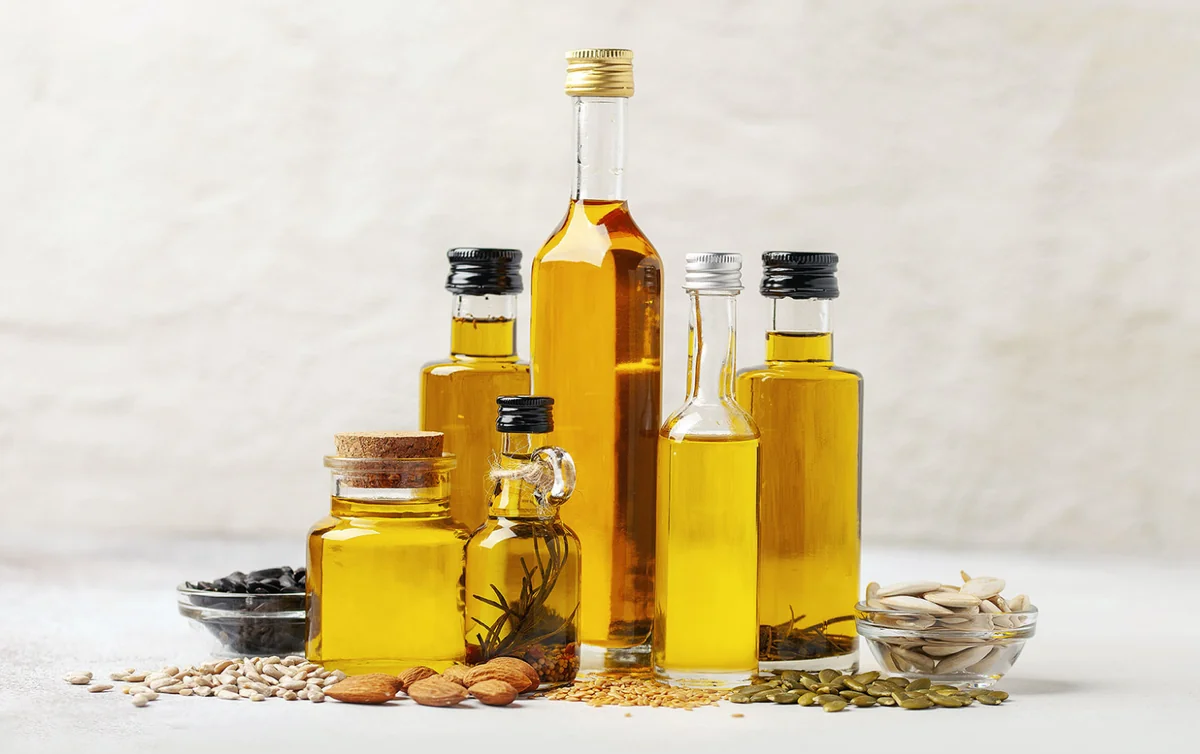
Premium Indian cold-pressed edible oils ready for export

India is one of the world's largest producers and consumers of edible oils, with a growing export sector serving diaspora communities, specialty food manufacturers, and health-conscious consumers globally. From pungent mustard oil to aromatic sesame oil and versatile groundnut oil, Indian edible oils offer distinct flavor profiles that cannot be replicated elsewhere.

As a leading edible oils exporter from India, Eversure Globals supplies premium-grade products directly from certified farms and processing units. buy edible oils in bulk with APEDA-certified documentation and guaranteed quality.

India's Edible Oil Export Landscape

India consumes over 25 million MT of edible oils annually, making it the world's largest consumer. While imports dominate bulk volumes (palm and soybean oils), India's indigenous oilseed crushing industry produces specialty oils that command strong export demand. The Indian edible oil export market was valued at over $800 million in 2025, with mustard oil, sesame oil, groundnut oil, and rice bran oil as the primary export categories.

The USA, UK, Canada, UAE, Singapore, and Australia are the largest importers of Indian edible oils, driven by South Asian diaspora demand and the global trend toward cold-pressed, minimally processed cooking oils.

Indian Edible Oil Varieties for Export

Mustard Oil (Sarson Ka Tel)

Mustard oil is the defining cooking medium of North Indian cuisine. With its characteristic pungency and high smoke point of 254C, it is essential for authentic Indian cooking. Indian mustard oil typically contains 40-45% erucic acid (natural, not the harmful industrial variant) and is rich in omega-3 fatty acids. The USA, UK, and Canada have significant demand from South Asian communities. Export packaging ranges from 1-liter bottles to 15-liter tins.

Sesame Oil (Gingelly Oil / Til Ka Tel)

Indian sesame oil is prized for its nutty aroma and high antioxidant content. Cold-pressed sesame oil from Tamil Nadu and Gujarat contains natural lignans (sesamin and sesamolin) that act as preservatives and provide health benefits. Two grades exist: light sesame oil for cooking (smoke point 210C) and dark roasted sesame oil for flavoring. East Asian markets (Japan, Korea, China) import significant volumes of Indian sesame oil for its competitive pricing versus domestic production.

Groundnut Oil (Peanut Oil / Moongphali Ka Tel)

Groundnut oil from Gujarat and Rajasthan is valued for its neutral flavor, high smoke point (232C), and monounsaturated fat profile similar to olive oil. Refined groundnut oil is used extensively in commercial frying across Southeast Asia and Africa. Cold-pressed groundnut oil commands a premium in European health food markets.

Rice Bran Oil

A rising star in the export market, rice bran oil is extracted from the outer layer of rice grains during milling. It contains oryzanol, a compound believed to reduce cholesterol. With a high smoke point (254C) and neutral taste, rice bran oil is increasingly exported to health-conscious markets in Europe and North America.

Export Specifications for Edible Oils

Parameter Mustard Oil Sesame Oil Groundnut Oil
Free Fatty Acid (FFA) Maximum 2% Maximum 2% Maximum 1.5%
Moisture & Impurities Maximum 0.25% Maximum 0.25% Maximum 0.25%
Iodine Value 96-110 103-116 86-98
Peroxide Value Maximum 10 meq/kg Maximum 10 meq/kg Maximum 10 meq/kg
Smoke Point 254C 210C 232C
Color (Lovibond) 2.0-4.0 Red 3.0-6.0 Yellow 2.0-3.5 Yellow

Edible Oil Export Pricing

Edible oil prices fluctuate with global oilseed markets. Indicative FOB prices from Indian ports as of mid-2026:

  • Mustard Oil (cold-pressed): $1.40 - $1.80 per liter in bulk (15L tins)
  • Sesame Oil (cold-pressed): $2.50 - $3.50 per liter depending on grade
  • Groundnut Oil (refined): $1.20 - $1.60 per liter for commercial grade
  • Groundnut Oil (cold-pressed): $1.80 - $2.40 per liter for premium retail
  • Rice Bran Oil (refined): $1.00 - $1.30 per liter in bulk
  • Coconut Oil (cold-pressed virgin): $3.00 - $4.50 per liter

Request current edible oil pricing from Eversure Globals for accurate quotes based on your specific oil type and volume requirements.

Certifications and Regulatory Compliance

FSSAI License

The Food Safety and Standards Authority of India license is mandatory for all edible oil processing and export facilities. FSSAI conducts regular inspections to ensure compliance with food safety standards.

APEDA Registration

Required for all processed food and agricultural product exports. APEDA ensures quality standards and provides infrastructure support.

Export Quality Control

The Solvent Extractors Association of India (SEA) and the Vegetable Oil Products Association provide additional quality certifications for export consignments.

Country-Specific Requirements

USA: FDA facility registration, allergen labeling for peanut oil. EU: compliance with EU Regulation 2019/1013 for contaminants in oils, GMO-free declaration. Canada: CFIA import permit for certain oil categories. UAE: Emirates Authority for Standardization and Metrology (ESMA) compliance for packaged oils.

The Edible Oil Export Process

  1. Inquiry (Day 1): Specify oil type, grade (cold-pressed/refined), packaging, and quantity.
  2. Sample Dispatch (Day 3-5): 500ml samples with lab certificates for FFA, peroxide value, and moisture.
  3. Lab Testing (Day 7-10): Full batch analysis for all export parameters.
  4. Contract (Day 12-15): Proforma invoice, 30% advance confirmation.
  5. Processing & Packaging (Day 18-28): Filtering, bottling, capping, and labeling.
  6. Documentation (Day 30-35): FSSAI, APEDA, COA, COO, and shipping documents.
  7. Shipment (Day 36-42): Container loading from JNPT Mumbai or Mundra Port.

Edible Oils Export Documentation & Compliance

Exporting edible oils requires IEC Code from DGFT, FSSAI License, APEDA Registration, Health Certificate from Export Inspection Agency, Certificate of Origin, third-party lab reports for FFA and peroxide value, and MSDS for bulk industrial shipments.

HS Codes & Import Duties by Country

Country HS Code (Mustard) Duty
USA 1514.91.00 0%
UK 1514.91 0%
UAE 1514.91 0%
Canada 1514.91 0%
Australia 1514.91 0%
Singapore 1514.91 0%

Mustard oil peaks October-November (post-Diwali) and is lowest March-May post-harvest. Groundnut oil best pricing November-January. Sesame oil spikes December-February. Cold-pressed commands 30-40% premium year-round. Lock 3-month contracts during harvest months.

How to Verify Quality Before Ordering

  1. FFA: Premium cold-pressed below 0.5%. Refined below 0.25%.
  2. Peroxide Value: Below 10 meq O2/kg indicates fresh oil.
  3. Smoke Point: Cold-pressed mustard oil should smoke at 250°C+.
  4. Color: Natural golden color without cloudiness or sediment.
  5. Taste: Pungent for mustard, nutty for groundnut, aromatic for sesame.
  • Turmeric — Complete cooking ingredient sourcing.
  • Red Chilli — Essential spice for oil-based curries.
  • Basmati Rice — Complete export basket.
  • Jeera — Pairs with mustard and sesame oils.

People Also Ask

What is the shelf life of cold-pressed mustard oil?

12-18 months below 25°C away from sunlight. Natural antioxidants (tocopherols and glucosinolates) act as preservatives. Refined mustard oil lasts 18-24 months.

Is Indian mustard oil banned in the USA?

Not banned, but restricted for culinary use due to erucic acid. Sold as massage oil. We can supply low-erucic mustard oil (below 5%) compliant with US FDA, or export groundnut and sesame oils without restrictions.

Which Indian edible oil is best for export?

Sesame oil commands highest price ($3,200-4,000/MT) due to global demand for antioxidants. Groundnut oil ($2,400-3,000/MT) is popular in South Asian diaspora markets. Mustard oil has largest volume but faces regulatory restrictions.

What is the difference between refined and cold-pressed oil?

Cold-pressed: under 40°C, preserves nutrients and flavor. Refined: heat/chemical processing, neutral flavor, higher smoke point. Cold-pressed commands 30-40% premium in health-conscious markets.

Common Mistakes Buyers Make When Importing Edible Oils

  1. Not Specifying Cold-Pressed vs Refined: Cold-pressed oils cost 30-40% more but retain nutrients. Refined oils have neutral flavor and higher smoke points. Clarify requirements in the purchase order.
  2. Ignoring Peroxide Value: Oils with peroxide value above 10 meq O2/kg are already oxidized and will spoil faster. Always request fresh-batch lab reports.
  3. Overlooking Packaging for Transit: Oils in non-food-grade containers can leach chemicals during 30+ day sea voyages. Insist on food-grade tins or nitrogen-flushed bottles.
  4. Buying Mustard Oil Without Checking Erucic Acid: Standard mustard oil has 30-40% erucic acid, restricted in EU and USA for food use. Specify low-erucic (below 5%) for these markets.
  5. Missing Health Certificates: Many Middle Eastern and African countries require Health Certificates from the Export Inspection Council. Confirm requirements before shipping.

Export Cost Breakdown for Edible Oils

For a 20ft FCL (20 MT) of cold-pressed mustard oil FOB Mundra:

  • Product Cost: $2,000/MT x 20 MT = $40,000
  • Packaging (20L tins): $80/MT x 20 MT = $1,600
  • Lab Testing & Certifications: $350 flat
  • Inland Transport: $25/MT x 20 MT = $500
  • FOB Handling: $500 flat
  • Total FOB: ~$42,950 ($2,148/MT effective)

Sesame oil adds $1,200-1,800/MT product cost. Sea freight varies by destination.

Seasonal Demand Calendar for Edible Oils

Q1 (Jan-Mar): Post-harvest for mustard and sesame. Best pricing for cold-pressed varieties.

Q2 (Apr-Jun): Steady supply, moderate pricing. Good for mid-year volume orders.

Q3 (Jul-Sep): Monsoon logistics challenges. Prices rise 8-12%. Order early.

Q4 (Oct-Dec): Festival demand and pre-harvest tightness. Prices peak. Plan ahead.

Export Packaging Deep Dive for Edible Oils

Edible oil packaging must prevent oxidation, light exposure, and moisture ingress during sea transit. Standard bulk export uses 15kg and 20kg food-grade tin containers or 200kg epoxy-lined steel drums for industrial buyers. All containers are nitrogen-flushed to displace oxygen and prevent rancidity.

Retail packaging options include 1L and 5L PET bottles with UV barriers, 2L and 5L pouches with spouts, and 500ml glass bottles for premium cold-pressed varieties. All retail packs include tamper-evident seals and best-before dates.

Palletization for FCL orders places 15kg tins 8-high on plastic or wooden pallets with corner protectors and stretch-wrap. Drums are loaded 4-high using drum clamps. Container temperature should not exceed 30 degrees C during transit to prevent oxidation acceleration.

Labeling requirements vary significantly. EU-bound shipments require labels in the destination language with ingredient list, allergen warnings, nutritional information, and storage instructions. USA requires FDA-compliant labels with net contents in both metric and imperial units.

Regulatory Compliance Checklist for Edible Oils

  • USA: FDA facility registration, FCE/SID for canned products, third-party lab reports for FFA, peroxide value, and adulteration, and allergen labeling.
  • EU: Compliance with EU Regulation 2019/6 for contaminants, maximum levels for 3-MCPD esters and glycidyl esters in refined oils, and full traceability documentation.
  • UK: UK Food Standards Agency requirements, FSA import notification, and post-Brexit labeling standards.
  • UAE/GCC: ESMA conformity, Halal certificate for Muslim markets, and GSO standards for oil quality parameters.
  • Canada: CFIA Safe Food for Canadians Regulations, bilingual labeling (English/French), and net quantity declaration.

Building a Long-Term Oil Supply Chain

Start with a 2 MT trial order combining mustard, sesame, and groundnut oils to test market demand. After two successful shipments, negotiate quarterly contracts with 3-month rolling pricing. For buyers requiring 10 MT+ monthly, we offer mill-level partnerships with dedicated production runs and custom labeling.

Container Loading Best Practices for Edible Oils

Edible oil shipments require meticulous container preparation to prevent contamination and oxidation. Containers must be food-grade certified, odor-free, and free of previous cargo residues. Inspect floors and walls for rust, holes, or chemical stains before loading.

Tin containers should be palletized 8-high with slip sheets and stretch-wrap to prevent toppling. Steel drums must be secured with drum clamps or chocks to prevent rolling during transit. For cold-pressed oils, maintain container temperature below 25 degrees C to preserve nutritional value.

Always use nitrogen-flushed containers for bulk shipments. Seal drums and tins immediately after filling to minimize oxygen exposure. Include temperature loggers inside the container for shipments exceeding 14 days. Document container condition with photographs before and after loading for insurance purposes.

Conclusion

Indian edible oils offer global buyers authentic flavors, competitive pricing, and increasing quality consistency. By understanding grade specifications, packaging options, and regulatory requirements, you can build a reliable supply chain for mustard, sesame, groundnut, and specialty oils.

Get an Edible Oils Export Quote from Eversure Globals
Global Inquiries

Start Your Partnership.

Reach out to Eversure Globals to discuss your import requirements. Our export specialists respond to all business inquiries within 24 hours.

Corporate Headquarters

Pune, Maharashtra, India

Email Direct

admin[at]eversureglobals[dot]com

Call Us

+91 9689527784

WhatsApp

+91 9689527784

Send a Formal Inquiry